The Ultimate Go-Box Checklist for Emergency Ham Radio Operations
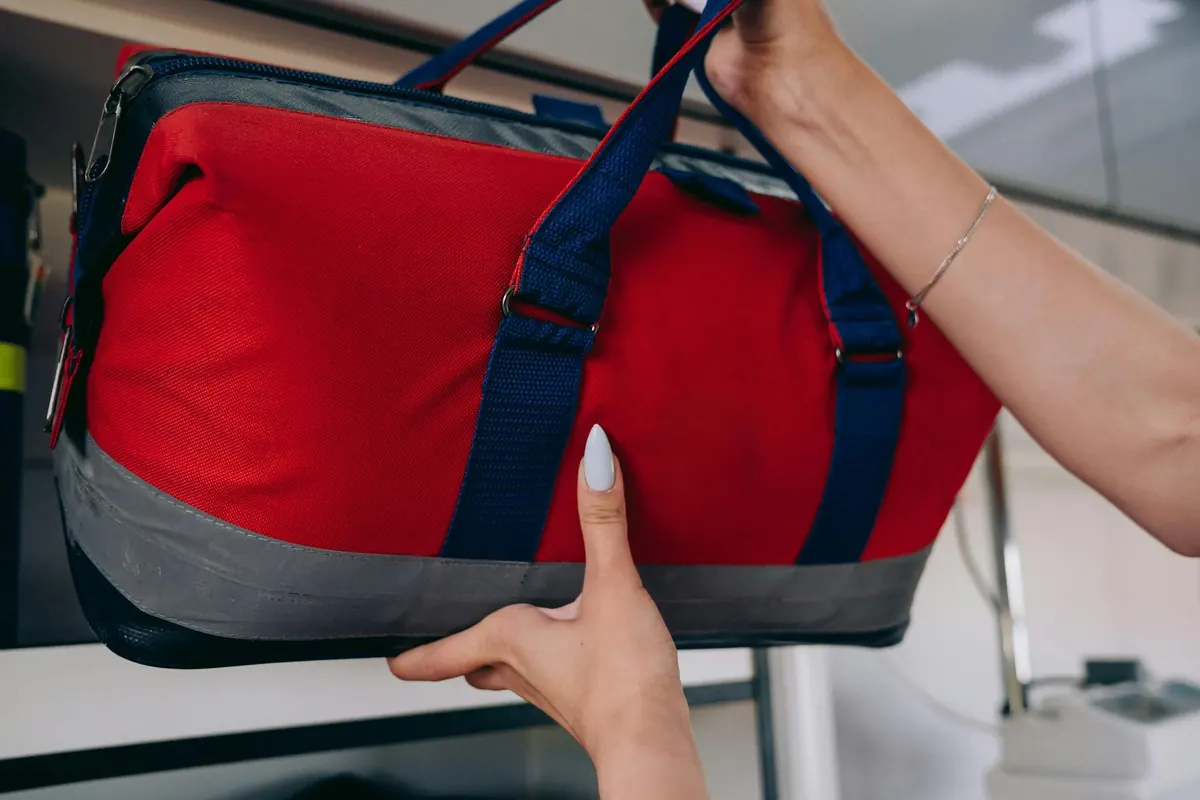
Most go-boxes fail the same way. Not with a dead battery during a real callout, but on a Tuesday night when you open the lid and find the coax jumper you borrowed in March, a handheld with no charged battery, and a tangle of wire that used to be an antenna. The fix isn't more gear. It's a shorter list, a labeled home for every item, and the habit of testing the whole thing before the phone rings.
What follows is a working checklist for a portable station you can load into a car, carry up a flight of stairs, and put on the air in fifteen minutes. Adjust the quantities to your role. Keep the structure.
Start With the Box, Not the Contents
The container decides everything else. A hard-sided rolling case protects a 100 W rig and a battery but is miserable on gravel. A backpack distributes weight well and offers no crush protection. Many operators settle on two pieces: a rolling case for the station, a small pack for personal gear, with the mast and antenna strapped outside.
- If you can't carry it 100 yards alone, it's too heavy.
- Nothing lives in the go-box that has another job at home.
- The checklist lives inside the lid, laminated, not in a binder on a shelf.
Label every compartment. At 3 a.m., "the small clear pouch" beats "somewhere in the main compartment."
The Radio Core
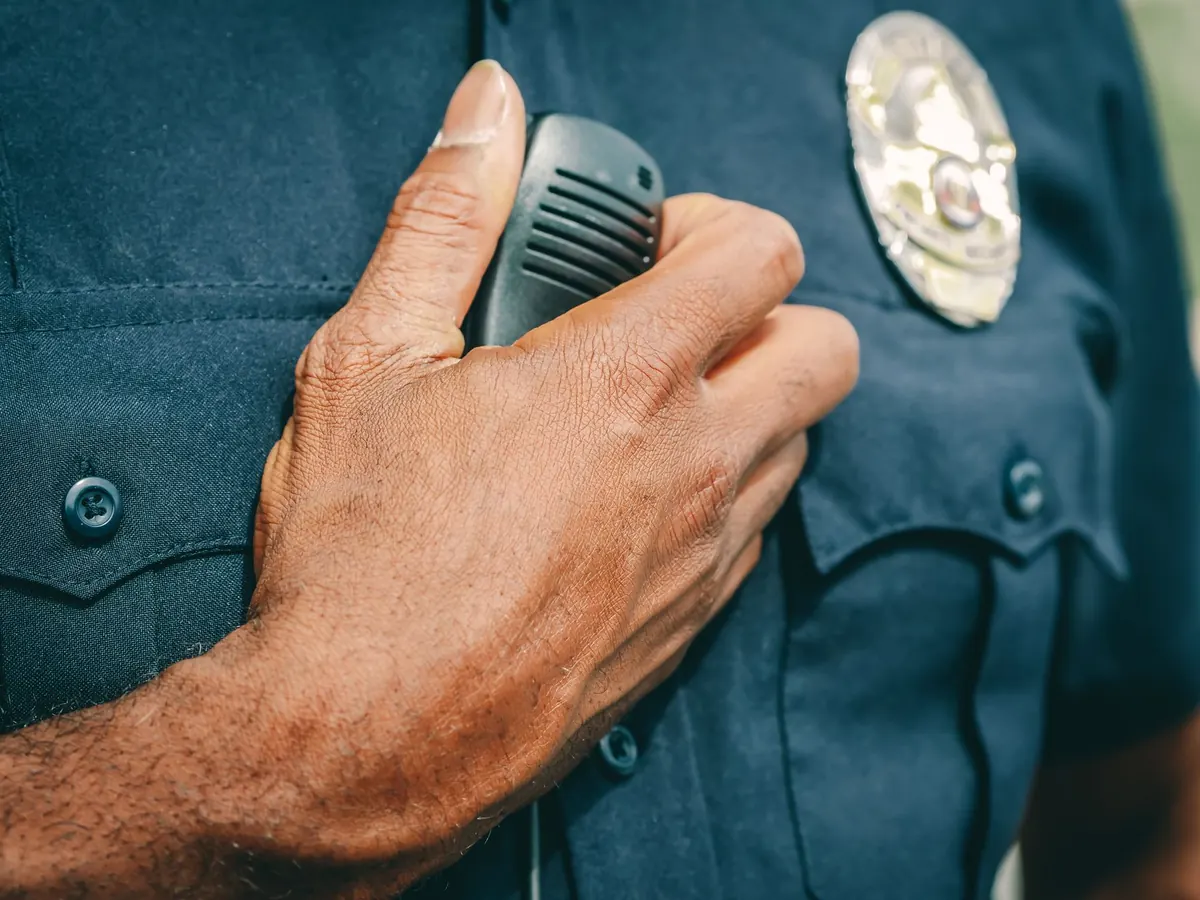
- A dual-band handheld with a spare battery and an AA battery case, plus a speaker mic.
- A 50 W mobile VHF/UHF rig if your group works repeaters a 5 W handheld can't reach.
- An HF transceiver for regional and NVIS work. A 100 W rig gives you options; a QRP rig saves weight and demands patience.
- Headsets or earbuds with a boom mic. In a shelter full of people, a speaker is noise pollution.
- Paper: quick reference cards, a printed repeater list, and the ICS-205 and ICS-217 forms your group uses.
Program Before You Pack
Load the channels at home, on a computer, with tones and offsets verified. Include 146.520 MHz, the 70 cm calling frequency, local simplex channels, your ARES or RACES repeaters, and the HF nets your section runs. Print the list and tape it inside the lid. Front-panel programming is wonderful until you're wearing gloves in the rain.
Power You Can Count On
Power is where most boxes get honest. Write the math on an index card and tape it to the battery. A 100 W HF radio can pull 20 A or more on transmit, but on SSB you're transmitting perhaps a third of the time, so the draw over an hour is far lower. A 20–30 Ah LiFePO4 pack covers a light shift comfortably. Heavy operating, digital modes at full duty cycle, or a cold night changes the arithmetic fast.
- Battery: LiFePO4 for weight and cycle life, or AGM if it's already in the garage. Fuse every conductor at the battery.
- Distribution: a fused 12 V block with Anderson Powerpole outlets. Standardize on one connector type and stay there.
- Charging: a smart charger for shore power, a solar panel with a proper charge controller, and vehicle leads long enough to reach the battery without stretching.
- Small stuff: a USB power bank for phones, a 12 V USB adapter, and spare fuses in the sizes your gear actually uses.
If you run a generator, never place it where exhaust can drift into a tent, vehicle, or shelter. Carbon monoxide kills quietly, and "just for a few minutes" is how it happens.
Antennas and Feed Line
Antennas are the part people improvise, and improvisation costs time. Pack at least two options for each band you plan to use.
- A roll-up 2 m J-pole or slim Jim, hung from a tree or mast, beats a rubber duck in every direction.
- A magnetic mount with a quarter- or half-wave whip, plus a metal surface to sit it on.
- A wire dipole or end-fed half-wave for HF, cut for 40 m and used with a tuner elsewhere.
- A telescoping mast or fiberglass painter's pole with guy lines, stakes, and bungees.
- 50 feet of RG-8X for HF and a shorter RG-58 or RG-316 jumper set for VHF, with PL-259, BNC, and SMA adapters.
- A throw line and weight, so you get a wire over a branch instead of under it.
- An SWR meter or a small antenna analyzer, and an HF tuner if the wire isn't resonant.
Coil coax in a figure-eight, secure it with a velcro strap, and label both ends. A tuner at the radio won't fix a bad feed line, and a mast held up by hope won't survive the first gust.
Tools, Spares, and Field Repairs
You can't fix everything in the field. Aim to fix connectors, power, and the obvious.
- Powerpole crimpers and a handful of spare connectors
- A digital multimeter
- A butane soldering iron and solder
- Heat shrink, electrical tape, and self-fusing silicone tape
- Zip ties, paracord, and a few bungees
- Screwdrivers, pliers, and a small adjustable wrench
- A spare coax jumper, microphone, and fuses
- Ten feet of 12 AWG wire and a couple of alligator clips
- Headlamp, work gloves, and a folding knife
Keep the tools in a pouch you can pull out in one motion. Digging for a crimper through a layer of coax costs twenty minutes you needed.
Personal Gear and the Paper Trail
The station works because the operator works. A cold, wet, hungry operator makes mistakes.
- Water and food that doesn't need refrigeration
- Weather layers, good boots, and a change of socks
- Your own medications, plus copies of prescriptions. Talk to your doctor about what a multi-day deployment requires for you.
- Sunscreen, insect repellent, eye drops, and a small first-aid kit
- A folding chair and small table, if your vehicle can carry them
- Your amateur license, photo ID, agency credentials, and cash in small bills
- Notebook, pencil, clipboard, permanent marker, and printed log sheets
Test It Before You Need It
Once a quarter, run the drill. Open the box, power everything from the battery, make one contact on VHF and one on HF, and check the SWR of each antenna. Weigh the box and lift it into the vehicle to confirm it fits beside everything else you carry.
Write the date on the checklist and restock the same day you return from any deployment, not next weekend. Rotate water and food. Log battery charge cycles. Verify the radio's memory still matches the printed card taped inside the lid.
A go-box isn't a collection of gear. It's a station that has already been packed, tested, and used. Build it once, use it often, and it will be ready on the night that matters.
Photo: Mikhail Nilov / Pexels