Winter Field Day Preparation: How to Keep Your Station Warm, Dry, and On the Air
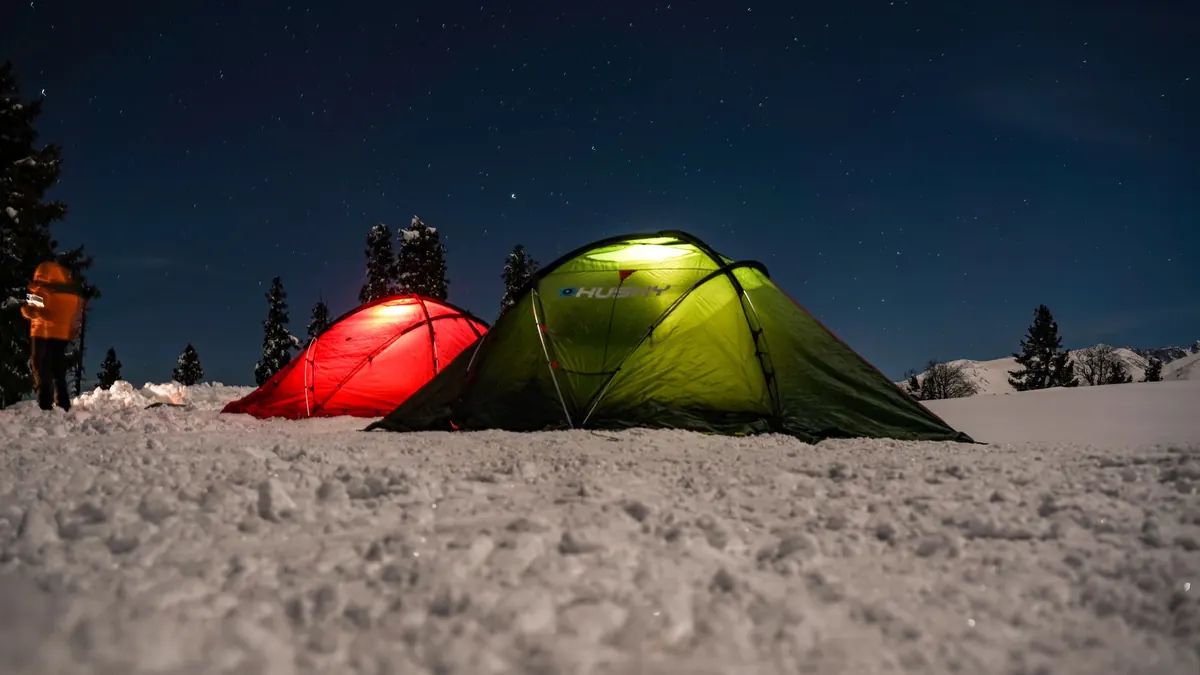
The thermometer reads nine degrees, the coax is stiff as a broom handle, and the only warm thing in the tent is the logbook. Winter Field Day asks one blunt question: can you keep a station running when everything around it is working against you?
The encouraging part is that cold-weather operating rewards planning far more than gear. Most failed activations are not radio failures. They are comfort failures, power failures, and a shivering operator who packs up at 2 a.m. because their feet went numb two hours ago. Fix those three things and the radio takes care of itself.
Build Up From the Ground
Every experienced winter camper knows the same lesson, and it applies directly to a portable ham station: the ground steals heat faster than the air does. Bare snow is a heat sink. If you sit, kneel, or sleep on it, no heater will keep up with you.
Start with a vapor barrier and an insulating layer. A folded tarp stops moisture from wicking up. On top of it, closed-cell foam pads, a foam gardening kneeler, cardboard, or a low cot all work. Two inches of foam under your operating position is worth more than twice that much propane burned in the air above you.
The windbreak beats the heater
Wind strips heat from a shelter and makes a modest temperature feel brutal. A tarp wall, a snow berm, or the lee side of a vehicle will do more for your comfort than any heater you can carry. Set the shelter so the entry faces away from the prevailing wind, and seal the gap at ground level where cold air pools.
Shelter: Small, Sealed, and Ventilated
Smaller is warmer. A hub-style tent, a pop-up ice fishing shelter, or a small camper heats far more easily than a big dome tent with a cathedral ceiling. Pick the smallest space you can actually operate in, then think hard about airflow.
Here is the part that matters more than warmth: anything that burns fuel produces carbon monoxide. A sealed tent with a propane heater inside is a serious hazard, not a comfort upgrade. Ventilate, keep a working battery-powered CO alarm in the shelter, and never run a generator, vehicle engine, or fuel-burning heater where exhaust can collect. After a snowfall, check that your vehicle's exhaust pipe is not buried. If you are using a heater at all, review the manufacturer's instructions for clearance and ventilation and follow them exactly.
Power: Cold Batteries Are Grumpy Batteries
Batteries deliver less usable capacity as they cool, and the voltage sag shows up first on transmit. A pack that runs your station all afternoon at home may fade by midnight at fifteen degrees. Plan for it.
- Keep the battery off the snow and inside a foam-lined cooler or insulated bag with a chemical hand warmer. Check the temperature periodically.
- Lithium iron phosphate packs should not be charged below freezing. Charge them fully before you leave, and let a cold pack warm up before recharging it.
- Shorten cable runs and use heavier wire. Voltage drop on a long, thin run is the quiet killer of a marginal activation.
- Fuse every conductor at the source, and carry spare fuses.
- Log voltage hourly. Resting voltage tells you the state of charge; voltage under transmit tells you whether the pack can actually do the job.
- Bring a second, smaller pack for lights and accessories so a lighting drain never touches the radio.
Do not count on solar in January. Days are short, the sun sits low, and a dusting of snow takes a panel out of the picture. Treat solar as a bonus and a generator or a spare battery as the plan. Generators need fuel treatment for cold, need to sit level and out of drifting snow, and must never run in an enclosed space.
Antennas: Build It Before Your Hands Freeze
Cold hands lose dexterity long before they lose feeling, and a coaxial connector is a terrible thing to fumble with in the dark. Assemble, measure, and test every antenna at home. Label the ends, mark the feed point, and coil the coax in a figure-eight so it deploys without tangling.
Cheap coax with a stiff jacket can crack in serious cold, and connectors left lying in the snow will fill with water the moment it melts. Wrap connections and keep them off the ground. When you use trees, remember that frozen limbs snap more easily than summer ones, and ice loading can turn a taut wire into a hazard. Keep masts low, use guy lines, and give yourself a mast that can flex rather than shatter.
Always carry a backup antenna you can deploy in ten minutes: a roll-up dipole, a random wire with a tuner, or a small loop. Set up in daylight if you can. Darkness plus cold plus a first-time antenna layout is a recipe for a short activation.
Gloves, in layers
Thin liner gloves under mitten shells let you handle connectors without exposing bare skin, and a dry spare pair in a zip bag is worth its weight. Rotate them before they get damp, not after.
The Operator Is Part of the Station
Dress in layers, not one heavy coat, and change out of a damp base layer. Sweat is what freezes you later. Drink water; dehydration is easy to miss in cold air. Eat real food, ideally warm, and go easy on caffeine and alcohol. Both make cold less comfortable than it already is.
Bring a headlamp with a red mode so you can log without wrecking your night vision, and practice logging with gloves on before the event. If you are operating overnight, build a rotation. Two hours on, one hour resting in a sleeping bag beats four hours of deteriorating performance, and no single operator should be the only person awake.
Safety: What Actually Ends an Activation
The dangers worth naming are carbon monoxide, hypothermia, frostbite, and falls. Uncontrolled shivering, confusion, slurred speech, or clumsy hands are not toughness problems; they are signals to get warm and stop. Watch your partner for them as carefully as you watch your own.
Wear boots with real traction, and treat driveways, boat ramps, and parking lots as ice until proven otherwise. Share your location and check-in schedule with someone at home, and pack for a delay. If you have a heart condition, asthma, Raynaud's, or take medication that affects circulation or temperature regulation, talk with a doctor before committing to a night outside in the cold.
Do a Dry Run, Then Leave the Ego at Home
Set the whole station up in the driveway on a cold Saturday afternoon. Operate for an hour. Note what your fingers hated, what iced up, and what you had to dig for. Repack accordingly, and keep a written checklist that includes the boring items: coax seal, spare fuses, hand warmers, a thermos, a second headlamp, and a trash bag for wet clothing.
The best Winter Field Day is not the one with the highest score. It is the one where everyone goes home with all their fingers, a functioning log, and a story worth telling over coffee. Plan for the cold, and the contacts will follow.
Photo: Umar Andrabi / Pexels